Advertising by Design (22 Brilliant Ideas)
Posted: July 15, 2013 Filed under: Ambient, Art, Awards, Cannes Lions, Case History, Design, Direct, France, Germany, Graphic Design, Installation | Tags: 22 brilliant ideas, advertising by design, Brazil, Cannes Lions, Case History, Coca-Cola, design, FIAT, Germany, Heineken, Jung von Matt, kit kat, Land Rover, Ogilvy, Red Bull 1 CommentTBWA/Hunt/Lascaris – We Sent Their Briefs Back


Although TBWA\Hunt\Lascaris is well established as an above-the-line agency, our clients were yet to be introduced to the wealth of talent that TBWA\ Design has to offer. So, to get our clients’ attention, we intercepted existing above-the-line briefs and used the physical advertising brief as our canvas. Instead of answering the brief in a traditional manner, we conceptualized various designs that captured the essence of the brands, then brought them to life using only the cardboard job bags and the briefs that were attached to them. We created intricate pieces of paper art, transforming our client’s briefs into multi-dimensional design pieces. We then sent our clients’ briefs back to them, proving that TBWA\ Design can do amazing things with their briefs. Our campaign was a huge success. The design studio received their first new brief from our client just 5 days later. Even more notably, new design work in the system rose by 450% within the first 6 weeks.
Advertising Agency: TBWA\Hunt\Lascaris, Johannesburg
Executive Creative Directors: Matthew Brink, Adam Livesey
Art Director: Jade Manning
Copywriter: Vincent Osmond
Creative Director: Sacha Traest, Mike Groenewald
Design: Sacha Traest, Leigh-anne Salonika, Katleho Mofolo, Graeme Van Jaarsveld, Ilze Venter, jason Fieldgate
Typographer: Hazel Buchan
Photographer: Graeme Borchers, Des Ellis
Year: 2013
——————————————————————————————————————————————————————————————————————————-
Coca-Cola – Sharing Can


Advertising Agency: Ogilvy & Mather, Paris/Ogilvy & Mather, Singapore
Chief Creative Officer: Chris Garbutt, Eugene Cheong,
Creative Director: David Raichman, Frederic Levron, Yvan Hiot
Copywriter: Xiao An Cheng
Designer: Martin Olivier, Olivier Brechon
Technical Partner : Capital Innovation
Year: 2013
——————————————————————————————————————————————————————————————————————————-
Land Rover – The Escape Key

Jaguar Land Rover MENA is promoting the Land Rover LR4 with “The Land Rover Escape Key”, a small icon designed to replace the ESC key on desktop computer. Sent out in three batches of 800 pieces, the keys are designed to remind people at the office that there’s way to escape the every day routine of indoor business. Test driving a Land Rover LR4 is the way to find life beyond the office cubicle. The number of queries almost tripled and test drives are up by 208%.
Advertising Agency: Y&R MENA
Chief Creative Officer: Shahir Zag
Creative Director: Joseph Bihag, William Mathovani
Year: 2013
——————————————————————————————————————————————————————————————————————————-
Kit Kat – The Pillow Book

Advertising Agency: JWT, Sao Paulo, Brazil
CCO: Ricardo John
Art Director: Brunno Cortez
Copywriter: Erick Mendonça
Creative Director: Ricardo John
Year: 2013
——————————————————————————————————————————————————————————————————————————-
Marionnaud – Memory Game

Marionnaud, one of Europe’s largest perfume retailers, celebrated “10 years’ expertise in fragrance”. For the jubilee we created a very special staff incentive: the first Memory game without pictures. The cards had been finished with a fragrance coating. When rubbed, the cards released the scent of ingredients used in perfume manufacture. Rub and sniff: that was the only way to identify the pairs – but no problem for Marionnaud professionals.
Advertising Agency: Wirz/BBDO, Zurich
Executive Creative Director: Philipp Skrabal
Art Director: Barbara Hartmann
Copywriter: Marietta Mügge
——————————————————————————————————————————————————————————————————————————-
FIAT – Hero Hug

Advertising Agency: Leo Burnett, São Paulo
Chief Creative Officer: Marcelo Reis
Executive Creative Director: Guilherme Jahara
Creative Director: Rodrigo Jatene
Copywriter: Caio Lekecinskas
Art Director: Rafa Oliveira
——————————————————————————————————————————————————————————————————————————-
Domino’s Pizza – Domino’s Pizza Disc

Advertising Agency: Artplan, Sao Paulo
Executive Creative Director: Roberto Vilhena
Creative Director: Rodrigo Moraes
Copywriter: Tiago Trindade, Rodrigo Sanches
Art Director: Diogo Barbosa, Guilherme Grotti
Graphic Production: Bruno Werner
——————————————————————————————————————————————————————————————————————————-
Megaman – Light Bulb Calendar

Advertising Agency: Grabarz und Partner, Germany
Executive Creative Director: Ralf Heuel
Creative Director: Andre Price, Jan-Florian Ege
Art Director: Andre Price, Jana Mehrgardt, Jan Riggert
Designer: Sönke Jansen
——————————————————————————————————————————————————————————————————————————-
Heineken – First Interactive Bottle


Heineken embraces the start-up culture of experimentation because it knows that invention never sleeps. The brand understands that the best ‘user experiences’ tap into existing consumer behaviors and push technology into the background.
The intent of the Heineken Ignite project was to develop an idea that would create a memorable Heineken experience unlocking the power and possibilities of mobile innovation and technology.
Heineken believes that mobile innovation could offer a much more rewarding experience than just an app and embraced the challenge to think about how the product could be leveraged as an interface to the brand experience.
A prototype of Heineken Ignite will be revealed on 9 April at Milan Design Week as part of Heineken’s Lounge of the Future concept. Heineken takes its promise to “open your world” even further with the Heineken Ignite project, enhancing the organic way in which the product is used based on social interaction between beer drinkers. This innovative approach lets people be a part of the party in a whole new way and opens up possibilities in social situations.
Advertising Agency: Tribal DDB, Amsterdam
——————————————————————————————————————————————————————————————————————————-
3M Earplugs – Volume Pack

The task was to develop an original promotional packaging solution that immediately conveyed the product value of 3M’s Solar Earplugs – a product targeted at end users frequently requiring effective noise protection (such as musicians and festival-goers). Solution: 3M turned the purpose of the earplugs – to reduce noise – into an original package design. The container’s cap looks like the volume knob of a hi-fi system; when opening it to reach the earplugs, one seems to be turning down the volume.
Advertising Agency: Scholz & Friends, Germany
Chief Creative Officer: Martin Pross
Executive Creative Director: Matthias Spaetgens
Creative Direction: Robert Krause, Wolf Schneider
Copy: Nils Tscharnke
Art Direction: Sebastian Frese, Ralf Schroeder
——————————————————————————————————————————————————————————————————————————-
Deutsche Bank – Anamorphic Mirror


Brief Explanation
The vestibule is a narrow room of 25sqm strongly limiting the possible size of the installation. Therefore, we decided to utilise light for a radiant impact, and to expand the process of reception by making use of the visitors’ movement while approaching the area via a short staircase. Going upstairs becomes part of the experience as visitors gain increasing insights to the entry with the installation. Its concept is based on the principle of anamorphosis: what you see alters as you change your position in space. The image only fully resolves itself when seen from a particular ‘sweet spot’.
Describe the brief from the client
The redesigned corporate headquarters of Deutsche Bank in Frankfurt am Main are now housing a brand and conference area. Parts of this section are public and can be accessed directly from the spacious atrium via a staircase. Deutsche Bank commissioned us to develop an installation that references the well-known company logo, originally designed by Anton Stankowski, for the vestibule of this area. The brief was to provide an atmospheric element that would be visible to customers, visitors and employees standing at reception, as well as on the bridge connecting the building’s 2 towers.
Description of how you arrived at the final design
‘Anamorphic Mirror’ consists of a faceted mirror and blue light projected onto the opposite wall. When viewed from the ‘sweet spot’ the mirror reflects the Bank’s logo. Standing at the bottom of the stairs, visitors see seemingly random blue reflections on the mirror’s facets. As they get closer, the blue reflections begin to take shape, until they resolve into the bank’s logo upon the visitors’ reaching the stairs’ top. In this manner, an animation is created from a static surface. While getting even closer to entering the conference area, visitors are themselves reflected in the mirror and thus take centre stage.
Indication of how successful the outcome was in the market:
Since the opening on April 6 more than 20,000 visitors came to see the public part of the brand area. Board members use the overall facilities to hold receptions, functions such as HR are using it for employee activities, bank managers invite partners and clients, the press department welcomes journalists. With unobtrusive means, the dynamic and yet poetic installation ‘Anamorphic Mirror’ creates an atmospheric element with space-encompassing impact, and attunes visitors to the brand from the very beginning.
Advertising Agency: ART+COM in Cooperation with COORDINATION, Berlin
Executive Creative Director: Joachim Sauter
Designer: Simon Häcker
Project Manager: Gert Monath
Senior Art Director: Eva Offenberg
Year: 2013
——————————————————————————————————————————————————————————————————————————-
The Hälssen & Lyon – The Tea Calendar


The Hälssen & Lyon tea calendar is the first calendar in the world to feature calendar days made from tea leaves. Finely flavoured and pressed until wafer-thin, the 365 calendar days can be individually detached and brewed directly in the cup with hot water. The tea calendar was sent exclusively to selected business partners.
Advertising Agency: Kolle Rebbe, Hamburg
Executive Creative Director: Sascha Hanke
Creative Director: Heiko Schmidt and Kay Eichner
Creative: Patrick Schroeder, Julia Meissner
Year: 2013
Gold Lion
——————————————————————————————————————————————————————————————————————————-
Hot Wheels – Don’t Drink and Drive Key Chains

Advertising Agency: Ogilvy, Mumbai, India
National Creative Directors: Abhijit Avasthi, Rajiv Rao
Senior Creative Director: Amitabh Agnihotri, Sameer Sojwal
Creative Group Head: Yogesh Pradhan
Year: 2012
——————————————————————————————————————————————————————————————————————————-
Greenpeace – Do Not Disturb

Advertising Agency: AlmapBBDO, São Paulo, Brazil
Chief Creative Officer: Marcello Serpa
Executive Creative Director: Marcello Serpa
Creative Director: Luiz Sanches
Art Director: Caio Tezoto
Year: 2012
——————————————————————————————————————————————————————————————————————————-
Coca-Cola FM – Magazine Amplifier


The piece consists in an exclusive insert for subscribers of the latest edition of the Capricho magazine which was created by JWT. Attached to the cover, the art allows readers to turn the magazine into an amplifier. Simply by rolling the magazine and inserting the iPhone tuned into the Coca-Cola FM application in the spot indicated. The final format allows the sound waves to travel in two different directions at the same time, intensifying the stereo effect created by the device. The next step is to enjoy the music.
Advertising Agency: JWT, Brazil
Year: 2012
——————————————————————————————————————————————————————————————————————————-
Red Bull – Portable Charger

We created Redbull-shaped portable charger. This Redbull-shaped charger will show its own recharging screen when they fit into the gadget And the mobile webpage of Redbull will be on the screen when it is unlocked.
Advertising Agency: Hallym University, Cheonan-si, South Korea
Copywriter: Heejo Sun, Dongkyun Yu
Art Director: Minseok Go
Year: 2012
——————————————————————————————————————————————————————————————————————————-
Land Rover – Edible Survival Guide

While Land Rover vehicles can take on any obstacles in the desert, it cannot be said the same of their owners. Scorching temperatures, deadly animals and sinkholes are just a few things they might encounter. And when they venture deep into it, even the most experienced drivers can quickly succumb to the harshness of the desert. We wanted to create something that would cut through the clutter and that these people would like to keep. So we created a survival guide, which explained the basics for staying alive in the Arabian Desert, and packaged it in a way that would spur the attention of our target audience.
We researched every indigenous animal and plant, people could encounter in the Arabian Desert and how they could be used to survive. We studied the topography of the region to guide people to safety. We used a reflective packaging similar to army rations, which could be used to signal for help, and bound the book with a metal spiral, which could be used for cooking. Finally, we even took an extra step so that in case of emergency, people could always EAT the book. It was made out of edible ink and paper, and it had a nutritional value close to that of a cheeseburger.
We sent the book to 5,000 existing customers, gave it away as a supplement to the cars’ manual and made it freely available in sports shops. The initial response was very positive. And the client was so happy with the concept that they asked us to include the book as an insert in the next edition of a car magazine, with a 70,000 circulation.
Advertising Agency: Y&R, Dubai, UAE
Chief Creative Officer: Shahir Zag
Creative Director/Copywriter: Shahir Zag
Creative Director/Art Director/Illustrator: Joseph Bihag
Copywriter: Guillaume Calmelet
Designer/Copywriter: Khaled Said
Year: 2012
——————————————————————————————————————————————————————————————————————————-
IBM – Outdoor as Utility


Advertising Agency: Ogilvy France
——————————————————————————————————————————————————————————————————————————-
Ricola – Ricola Music Edition


Ricola, a brand of cough drops and breath mints in Switzerland, is known for its traditional blend of thirteen natural herbs. The provision of instant relief, even to the most strained throats, is visualised with the help of the wrapping paper. The Music Edition, an illustrated release, turns the drops into the heads of suffering singers. Each and every throat appears to be constricted. However, when you unwrap a bonbon, the throat is relieved and all hoarseness disappears. Print advertising presented the five characters: Rockabilly, Pop star, Opera singer, Rapper and Punk Rocker, with the tag line, “Unwrap your voice”. The project won Gold for Package Design at the London International Awards this week.
Advertising Agency: Jung von Matt, Hamburg
——————————————————————————————————————————————————————————————————————————-
Camp Nectar – Fruit Boxes (Made from Real Fruit)


General Brands in Brazil ran a two-year experimental campaign in which fruit was grown in the shape of Camp Nectar fruit boxes to promote the claim, “Made from Real Fruit”. Customized juice box molds were placed around growing fruit on an orchard in Paranapanema, producing 1,123 oranges, lemons, guavas and passion fruit with the Camp Nectar box shape. The specially designed fruit, complete with brand imprint, straw and carton flaps, were placed in supermarkets and fairs to promote the juice range. The campaign won a Gold Outdoor Lion, a Bronze Direct Lion, a Silver and Bronze Promo & Activation Lion.
Advertising Agency: Age Isobar, Sao Paulo
——————————————————————————————————————————————————————————————————————————-
Sweet Enough – The Candy Room


Sweet Enough, an importer of sugar free candy products in Australia, has set up The Candy Room, a store in Melbourne designed to draw out the inner child in customers, connecting them with childhood, fantasy and fiction and of course, sweets. Black line artwork is applied on white space, supplemented with the bright colours of the sweets throughout the store.
Advertising Agency: Red Design Group
——————————————————————————————————————————————————————————————————————————-
Oreo – Oreo Crumb Case


Miami Ad School students have developed a tea bag enclosure for Oreo cookie crumbs to infuse milk with Oreo flavor. The Oreo Crumb Case, developed as a student project, could go a long way. Just shake together all the crumbs left in the Oreo packet, sprinkle them into the Crumb Case, and infuse the crumbs in your tumbler of milk.
Advertising Agency: Miami Ad School
From Coke to Mikado – Don’t Underestimate the Power of a Red Button
Posted: March 13, 2013 Filed under: Ambient, Australia, Awards, Belgium, Beverages, Brazil, Cannes Lions, Case History, Cliché, Direct, Event, France, Installation, Press/Outdoor, Promotion, TV/Film, USA, Viral | Tags: Ambient, Belgium, Buzzman, Cannes Lions, Case History, Clemenger BBDO, Coca-Cola, Duval Guillaume, fantastic delites, France, funny, Happiness Truck, installation, Mikado, push the red button, push to add drama, resistence test, TNT Tv Channel, USA, Viral Leave a comment
Mikado – Resistance Test
Advertising Agency: Buzzman, Paris, France
CEO / Creative Director: Georges Mohammed-Chérif
Art Director: Louis Audard
Copywriter: Tristan Daltroff
Art Director Assistant: Clément Séchet
Year: 2013
TNT TV Channel – Dramatic surprise on an ice-cold day
Advertising Agency: Duval Guillaume Modem, Brussels
Creative Director: Geoffrey Hantson, Katrien Bottez
Copywriter: Dieter De Ridder
Art Director: Ad Van Ongeval
Production Company: Czar
Director: Koen Mortier
Year: 2013
Fantastic Delites – How Far Would You Go?
The Delite-o-matic is an interactive vending machine that dispenses free packs of Fantastic Delites simply by pushing a button hundreds of times or by performing challenges. The Delite-o-matic was put out on the streets to prove that because Fantastic Delites taste so good, people will go to incredible lengths to get their hands on them.
Advertising Agency: Clemenger BBDO, Australia
Creative Director: Karl Fleet
Digital Creative / Art Director: Oliver Prenton
Digital Creative / Copywriter: Matt O’Grady
Year: 2012
TNT TV Channel – Big Red Push Button
To launch the high quality TV channel TNT in Belgium we placed a big red push button on an average Flemish square of an average Flemish town. A sign with the text “Push to add drama” invited people to use the button.
Advertising Agency: Duval Guillaume Modem, Brussels
Creative Director: Geoffrey Hantson, Katrien Bottez
Copywriter: Dieter De Ridder
Art Director: Ad Van Ongeval
Production Company: Czar
Director: Koen Mortier
Year: 2012
Coca-Cola – Happiness Truck
A Coca-Cola delivery truck is converted into a happiness machine on wheels delivering “doses” of happiness in the streets of Rio De Janeiro, Brazil. Where will happiness strike next?
Advertising Agency: Definition 6, Atlanta
Year: 2011
Crispin Porter + Bogusky for Just Dance 3 – Autodance
Posted: January 22, 2013 Filed under: Awards, Cannes Lions, Case History, Digital, Promotion, Sweden, Viral | Tags: Adore You, Anyone can Just Dance, app, Autodance, Cannes Lions, Case History, Crispin Porter + Bogusky, Digital, funny, Jim Connolly, Just Dance 3, Mattias Berg, Ubisoft, Viral Leave a comment
Just Dance is the fun dance game series that anyone can pick up and play. But until now, the audience has been limited to teenage girls. For the launch of Just Dance 3, the brief was to expand the audience, with no media spend.
To promote the release of Just Dance 3, Crispin Porter + Bogusky created Autodance, an app that proves anyone can Just Dance. Simply record your friends doing stuff and the app syncs their movements to a choice of dance tracks from the video game. Like magic, your friends will be shaking their stuff in a branded music video that can be shared online.


Autodance is more than just a fun app. It’s a fun tool to get people to make and share our ads for us. Each user-generated video acts as an advert for Just Dance 3, and features our tagline “Anyone can Just Dance”, along with an end card for the game.
The app proved so successful it’s now been incorporated into Just Dance 4.

With no media spend, Autodance exposed Just Dance 3 to a new audience of millions. And over Christmas 2011, Just Dance 3 became the best-selling video game in Europe.
Results:
App Downloads: 6.3 Million
User-generated videos: 32 Million
Video views (in phone): 118 Million
Video views (on Facebook): 32 Million
Total video shares (Facebook and Youtube): 2.9 Million
Facebook likes: 4.3 Million
Facebook comments: 2.4 Million
Advertising Agency: Crispin Porter + Bogusky, Gothenburg
Creative Director: Mattias Berg
Copywriter: Jim Connolly
Art Director: Mattias Berg
Production Company: Adore You
Chief Creative Officer: Rob Reilly
Executive Creative Director: Gustav Martner
Executive Creative Director: Bjorn Hoglund
Creative Technology Director: Per Rundgren
Head of Interactive: Marcus Aslund
Interactive Developer: Martin Furuberg
Motion Designer : Motion Designer Jörgen Bengtsson
Visual Designer: Stephano Dinamarca Fernández
Visual Designer: Mattias Nordenham
Year: 2011

Court TV’s Parco PI – That Girl Emily
Posted: January 15, 2013 Filed under: Ambient, Awards, Cannes Lions, Case History, Digital, Guerilla, Press/Outdoor, Promotion, USA, Viral | Tags: Case History, Court'sTV, Emily and Steve billboard, Fourteen Days of Wrath, Guerilla, Lost Dog, Parco PI, that girl Emily, USA Leave a comment
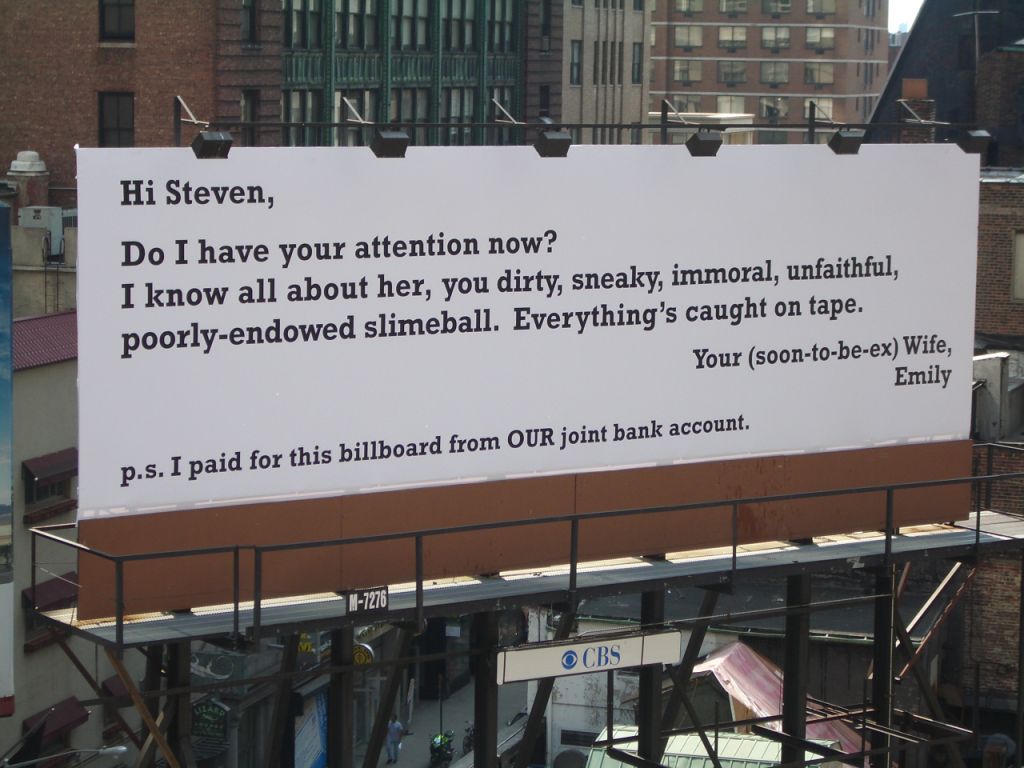
To generate a buzz leading up to the season premiere of Parco PI on the American network Court TV (now truTV), a show that revolved heavily around the subject of adultery, a campaign was conjured up that – at first glance – looked like every cheating man’s worst nightmare. A fictitious character called Emily seemed set on exposing her husband’s adulterous ways for the whole world to see and having her revenge. In a blog Emily drew readers into the story of how she came to realize that her husband was cheating on her. Within several days, the blog had received over a million hits and Emily was getting requests for media appearances at a national level. The narrative laid the foundation for a series of billboards on which Emily declared “Fourteen Days of Wrath” against her cheating husband, Steven. Four of the Fourteen Days of Wrath were actual staged events in New York City. When Emily threw out her cheating husband’s belongings, the drama was captured on a hand-held camcorder and uploaded to video-sharing sites.

The campaign as a whole was covered by over 200 news sources on-air, online and in print.
————————————————————————————————————————————————————————————
Public Hath No Fury, Even When Deceived
From New York Times. By Julie Bosman (July 24, 2006)
It was the pitch-perfect vengeful Dear John letter, blown up on a billboard in the middle of Manhattan by a furious and apparently deep-pocketed spouse.
“Hi Steven,” it began, cheerily enough. “Do I have your attention now? I know all about her, you dirty, sneaky, immoral, unfaithful, poorly endowed slimeball. Everything’s caught on tape. Your (soon-to-be-ex) Wife, Emily.”
The billboard created interest, and not just from an unfaithful Steven. A booking agent from “Good Morning America” sent an e-mail to Emily inviting her on the show. British Glamour wanted to make her the subject of a feature article.
But when pictures of the billboard proliferated on Gawker, Defamer and other blogs, readers quickly dug in. One fact soon emerged, thanks to camera phone pictures: the billboard was identical to others in Brooklyn, Los Angeles and Chicago. Someone else discovered that Emily was keeping a blog, thatgirlemily.blogspot.com, detailing Steven’s infidelities. More digging showed that one Emily blog entry was oddly similar to a synopsis for an episode of “Parco P.I.,” a reality show on Court TV.
Another “source” sent an e-mail to Gawker suggesting that Court TV was behind the signs, pointing out that it was a viral marketing campaign to promote one of its programs. Mystery solved.
The bad news for viral marketers who use these kind of devices: executives at Court TV said they did not really want to be discovered so quickly. The good news is that even after the ruse was discovered, people visited the Emily blog, pushing it to one million hits by the end of Thursday. A fake surveillance video on the blog, supposedly from a private eye capturing Steven holding hands with his paramour, hit YouTube and became one of its most-viewed videos. Did it even matter that Emily was fictitious?
“Emily is really an amalgam of all of us who have been cheated on,” said Marc Juris, general manager for programming and marketing at Court TV. “Clearly, this really resonated with people.”
Whether it resonates into higher ratings for “Parco P.I.” is another matter. The “Emily” ruse was originally intended to be a stunt to help promote the start of the show’s new season on Aug. 15, but Court TV’s marketing group liked the idea so much that they made it a large part of the campaign. The second phase — ads for the show to be stamped over the original billboards — was to start next Monday, but Court TV moved it up to July 26 after all the attention.
Mr. Juris was still marveling: “It’s like a flash investigation took place, and within 24 hours we were busted.”


Advertising Agency: Amalgamated NYC, USA
Copywriter: Tommy Noonan
Copywriter: Jon Yasgur
Account Manager: Judy Goldfarb
Creative Director: JASON GABORIAU
Creative Director: Doug Cameron
Year: 2006
TBWA/Berlin for adidas – A Giant Case History
Posted: December 28, 2012 Filed under: Agency, Ambient, Awards, Cannes Lions, Case History, Event, Germany, Guerilla, Installation, Press/Outdoor, Sportwear | Tags: adidas, Ambient, Boris Schwiedrzik, Cologne Central Station, Emiliano Treierveiler, Erik Gonan, football fresco, Germany, Guerilla, Helge Bloch, Hendrik Scweder, impossible goalkeeper, impossible huddle, Impossible is nothing, Kurt-Georg Dieckert, Marco Bezerra, Oliver Kahn Bridge, Outdoor, Petr Cech, Prater ferris wheel, Stefan Schmidt, TBWA, UEFA, Zurich's Central Station Leave a commentIMPOSSIBLE GOALKEEPER

Just before the start of the UEFA Euro 2008 football tournament, adidas turned one of Vienna’s best-known landmarks, the Prater ferris wheel, into a huge image of the Czech national goalkeeper, Petr Cech. At a whooping 53m tall, this gigantic installation was visible far beyond the Prater entertainment park and the nearby public viewing sites. In the installation, Cech had eight arms that constantly rotated with the ferries wheel. The erection of the metal construction started on May 13 and was finished just before the launch of the tournament on the night of June 5, 2008. This advertising landmark also hosted the official adidas press conference prior to the tournament.

Advertising Agency: TBWA/Berlin
Creative Director: Stefan Schmidt
Creative: Marco Bezerra, Emiliano Treierveiler
————————————————————————————————————————————————————————————
OLIVER KAHN BRIDGE

If you travelled to Munich for the first game of the FIFA World Cup in 2006, chances are you saw this huge installation, which shows an enormous Oliver Kahn (the then German national team goalkeeper) diving across the motorway. The 65-m installation managed to bypass the law forbidding advertising on the German Autobahn, and was the only piece of advertising adidas conducted in Germany during the tournament. Over 4 millions people commuted through the installation and many more saw it in the press. In its first week the Oliver Kahn bridge was displayed on double-page spreads in leading magazines including Focus, Stern, Autobild and Fortune. It was also picked up by newspapers including the New York Times and the Financial Times.


Advertising Agency: TBWA/Berlin
Creative Director: Stefan Schmidt, Kurt-Georg Dieckert
Creative: Helge Bloch, Boris Schwiedrzik
————————————————————————————————————————————————————————————
IMPOSSIBLE HUDDLE

For the duration of the UEFA EURO 2008 football tournament, TBWA/Berlin transformed the main hall of Zurich’s Central Station into a large-scale celebration of team spirit. Eleven European football players (all sponsored by adidas, naturally) formed the Impossible huddle. The bodies of the footballers represented were 3D-scanned as were their faces and hairstyles, to ensure that the sculptures were faithful to the originals. It took 40 trucks to move the installation components from the production sites in southern Germany to Switzerland, where they were assembled in the station.

The Swiss rail authority reported that an estimate 13 million people passed through the station during the three-week period the sculptural installation was in site, and at 17m high and approximately 30m wide, it was impossible to miss. Add to this the fact that various news titles such as the Financial Times, Die Welt, Gazzetta dello Sport, Le Parisien and the BBC featured the campaign on their front pages or online editions, plus the fact that it was picked up by dozens of blog worldwide.


Advertising Agency: TBWA/Berlin
Creative Director: Stefan Schmidt, Markus Ewertz
Creative: Erik Gonan, Hendrik Scweder
————————————————————————————————————————————————————————————
FOOTBALL FRESCO

During the German-hosted 2006 FIFA World Cup, adidas wanted to get across the message that they cooperate with the best football players on the planet. Rather than run a traditional poster campaign, the creatives at TBWA/Berlin decided it would be far more impressive to create a huge Renaissance-style fresco on the ceiling of the main lobby of Cologne Central Station. Within minutes of the fresco’s unveiling, it was featured on national German Television and press covered it throughout the World Cup. More than 8.5 million people saw the frersco in the flesh during the course of the tournament.


Advertising Agency: TBWA/Berlin
Creative Director: Stefan Schmidt, Kurt-Georg Dieckert
Creative: Helge Bloch, Boris Schwiedrzik
Nike – The Chain (the World’s Longest User Generated Video)
Posted: December 3, 2012 Filed under: Cannes Lions, Case History, Denmark, Digital, Sportwear, Testimonial, Viral | Tags: Cannes Lions, Case History, Digital, FramFab Denmark, Join the chain, kicking a ball, Nike, Ronaldinho, The Chain, the World's Longest User Generated Vide Leave a commentThe Chain is the world’s longest user generated football video and is edited together from user submissions. The Chain is a feast of homebrewed football moves from all corners of the globe, with one user passing the ball to the next. The brand moves from being a speaker to being a facilitator of the message of the global movement for beautiful football. The consumers become the voice.


The Chain campaign was kicked off – literally – by Ronaldinho. The football star was filmed kicking a ball out of the camera frame, and then viewers were encouraged to filmed the following link in the chain. The rules were very simple: the ball must enter from the left and exit to the right. Beyond this the participants could show off thei footballing skills any way they liked. Over 40.000 films were uploaded to the website, with 2.000 of those selected for use in The Chain, a two-hour football video that has been viewed by more than 20 million people.
Advertising Agency: FramFab Denmark, Copenhagen
Creative Director: Lars Cortsen
Copywriter: Thomas Robson
Art Director: Rasmus Frandsen
Designer: Kristian Groove Møller
Interactive Designer: Kristian Groove Moller, Martin Mohr
Programmer: Martin Ludvigsen
Technical Director: Jesper Arvidson
Producer: Simon Ryhede/Michael Amsinck
Year: 2006
GOLD LION (2006, Cannes International Advertising Festival)
GOLD (2006, London International Awards)
GOLD (2006, Epica – Europes premier creative awards) ,
GRANDPRIX (2006, Eurobest Awards),
GOLD (2007, The One Show),
GOLD (2007, CLIO, “Fresh Approach”), SILVER (2007, CLIO, “Brand Building”),
NOMINATION (2007, D&AD Awards”)
25 Advertising Ideas for 25 November: International Day for the Elimination of Violence against Women
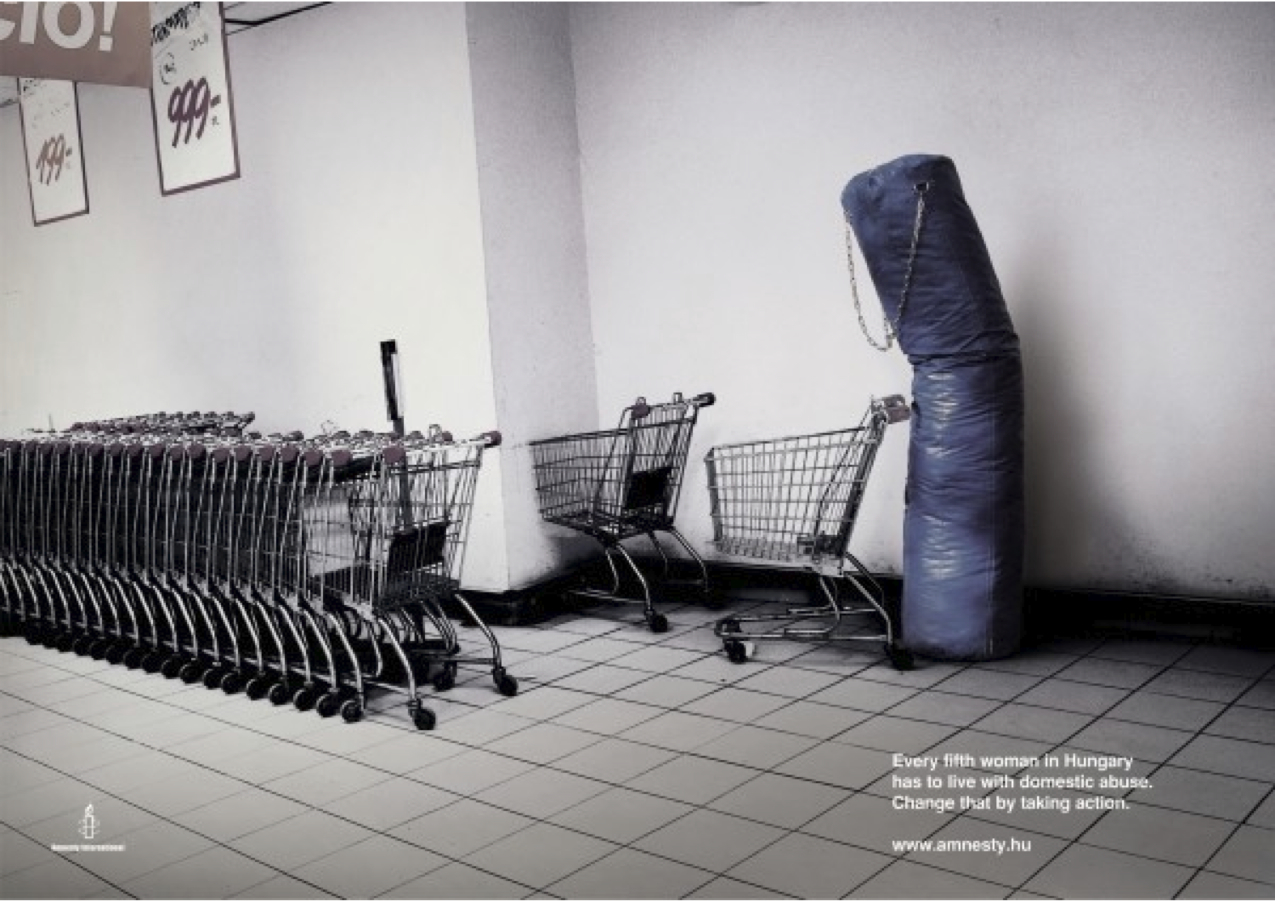
Posted: November 26, 2012 Filed under: Awards, Belgium, Cannes Lions, Cliché, Event, France, Germany, Hungary, India, Italy, Mexico, Press/Outdoor, Singapore, Social, UK, USA | Tags: 25 november, abused women, Amnesty International, apav, Baf, domestic violence, International Day for the Elimination of Violence against Women, United Colors of Benetton Leave a comment01 – Amnesty International


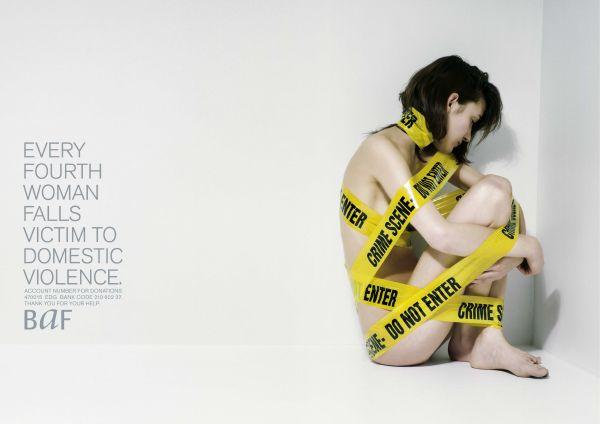
02 – BaF (Bundesverband autonomer Frauennotrufe)
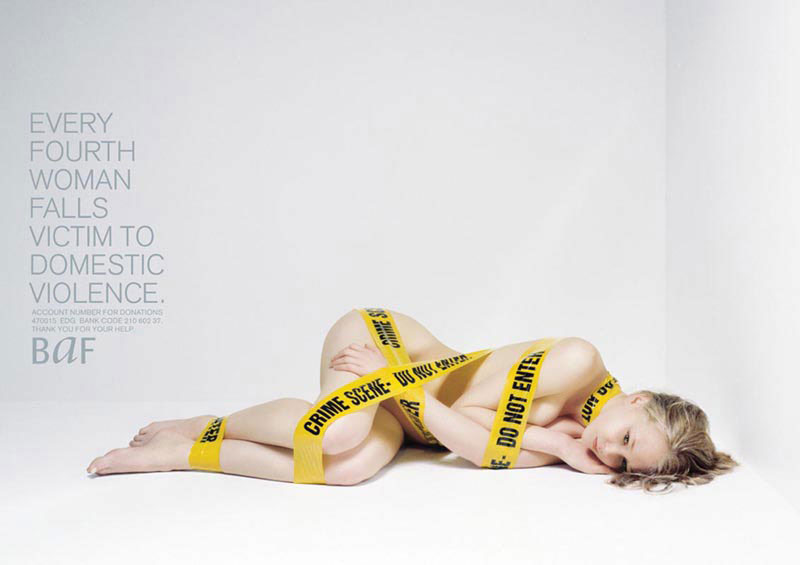

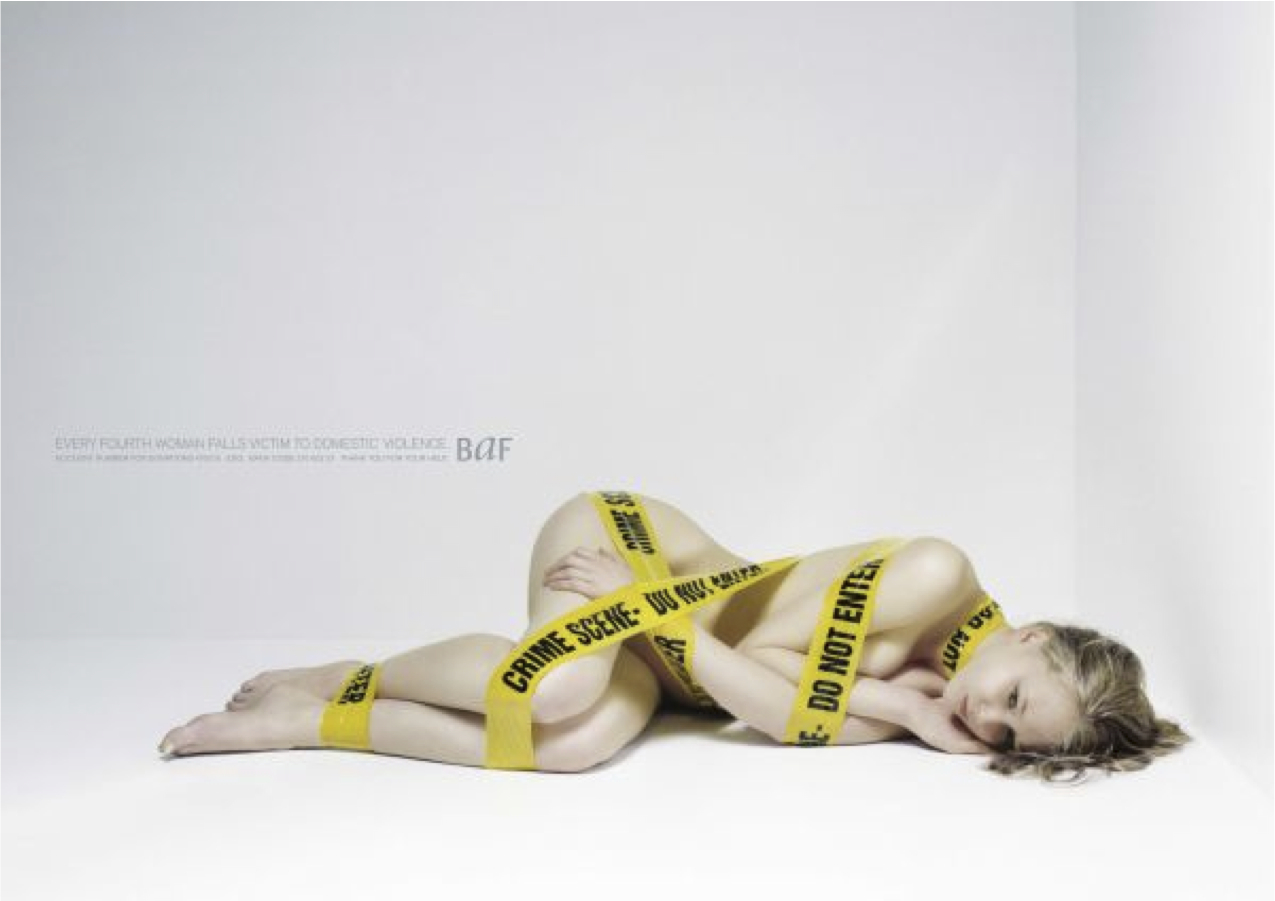
03 – United Colors of Benetton


04 – Domestic Violence Vigilance (USA)


05 – Aware Helpline Singapore


06 – APAV (Victim Suport)

07 – Refuge.org.uk


08 – APAV (Victim Support)


09 – Florencia (Service for abused women)


10 – Citizens Against Spouse Abuse


11 – Amnesty International

12 – Amnesty International
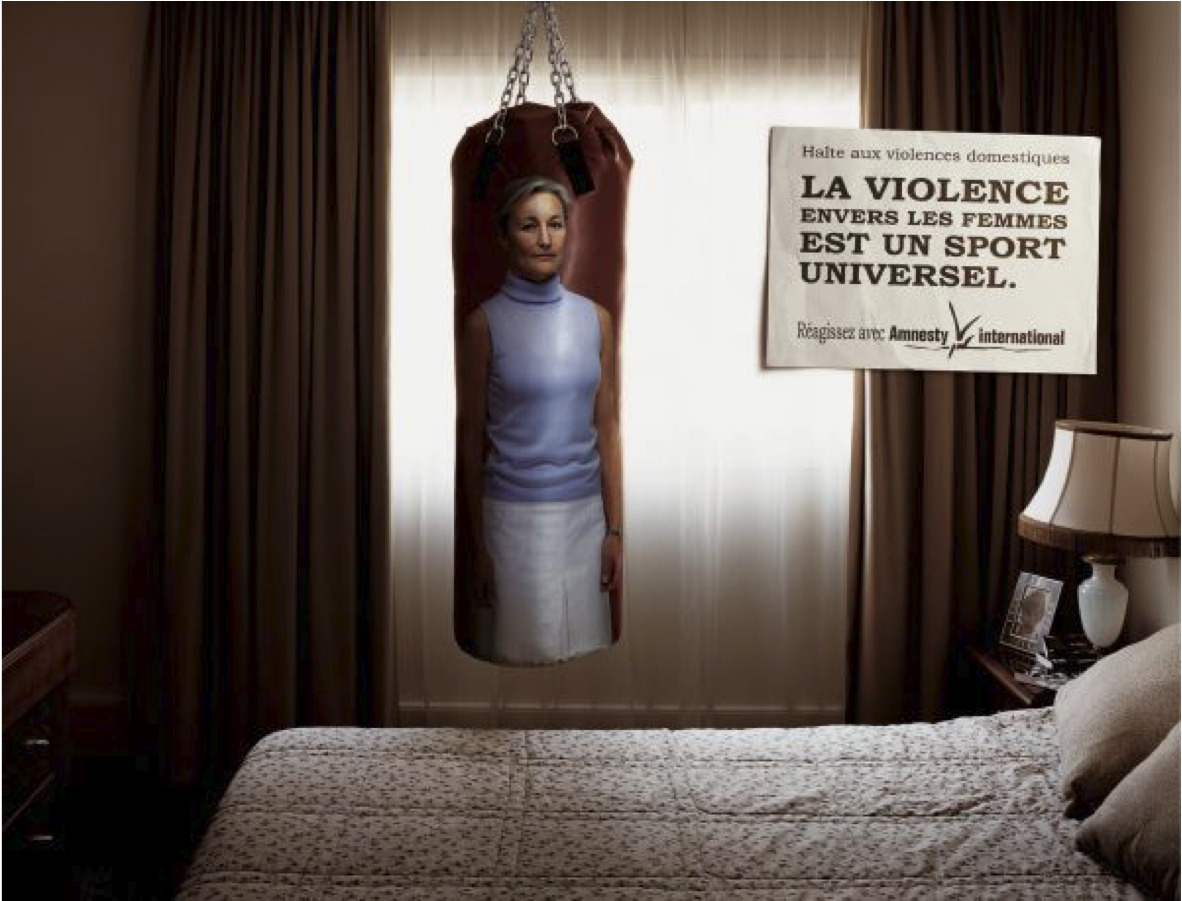

13 – Women’s Aid Organisation


14 – The Youth, Women, Children and Family Chamber (Panama)


15 – Amnesty International


16 – Amnesty International

17 – Amnesty International

18 – NO (Combat Violence Against Women Helpline)


19 – http://www.terres-des-femmes.ch


20 – Associazione Donne Insieme contro la Violenza


21 – Ni Puter Ni Soumises


22 – Mar’A (Against Domestic Violence)
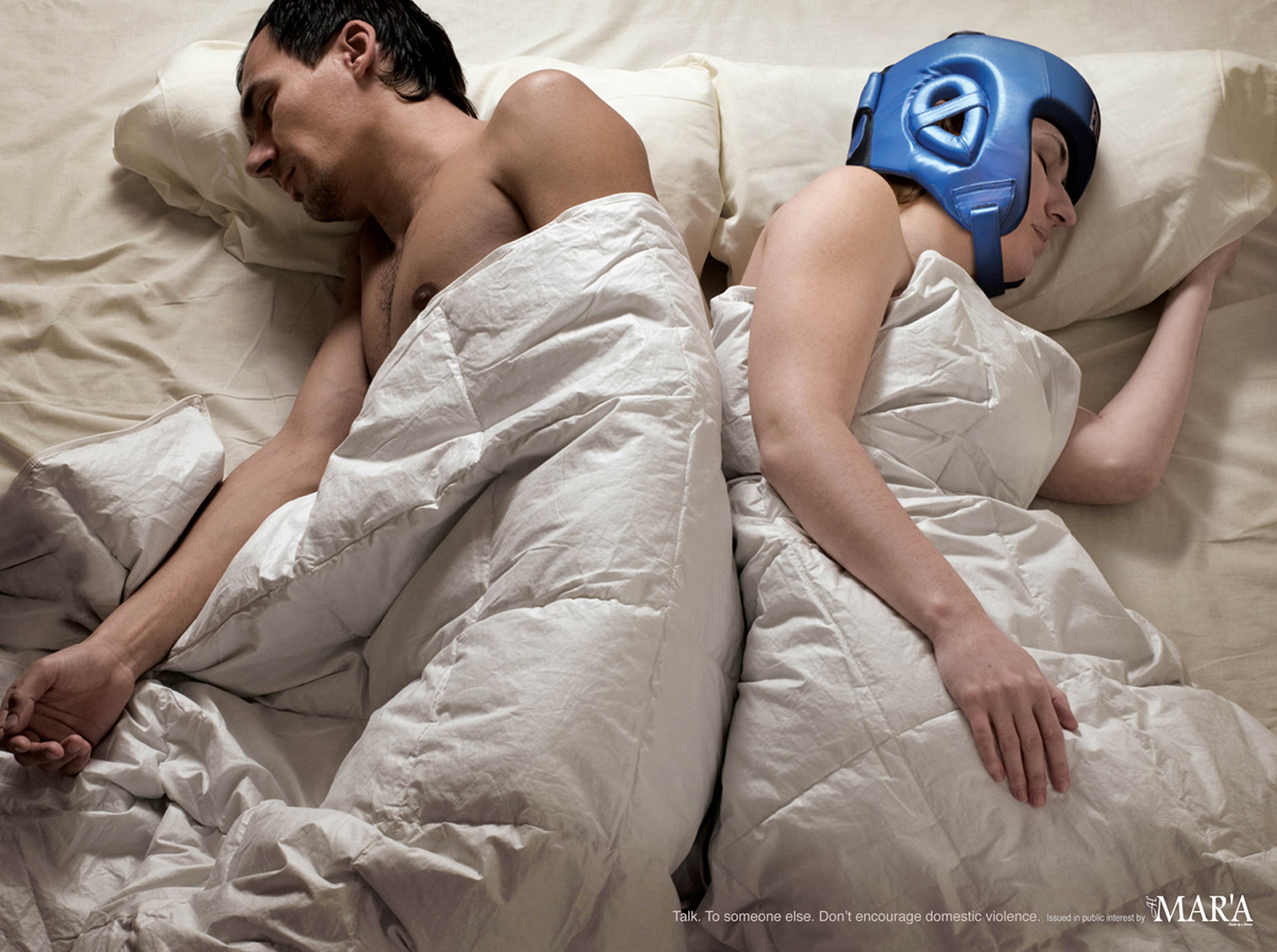
23 – Amnesty International

24 – Solidaritè Femmes


25 – NSW (Women’s Refuge Movement)

Levi’s 501 – The story behind Launderette
Posted: November 22, 2012 Filed under: Awards, Cannes Lions, Case History, Legendary, TV/Film, UK | Tags: 501, BBH, commercial, I Heard It Through The Grapevine, John Hegarty, Launderette, Levi's, Marvin Gaye, Nick Kamen, UK 2 Comments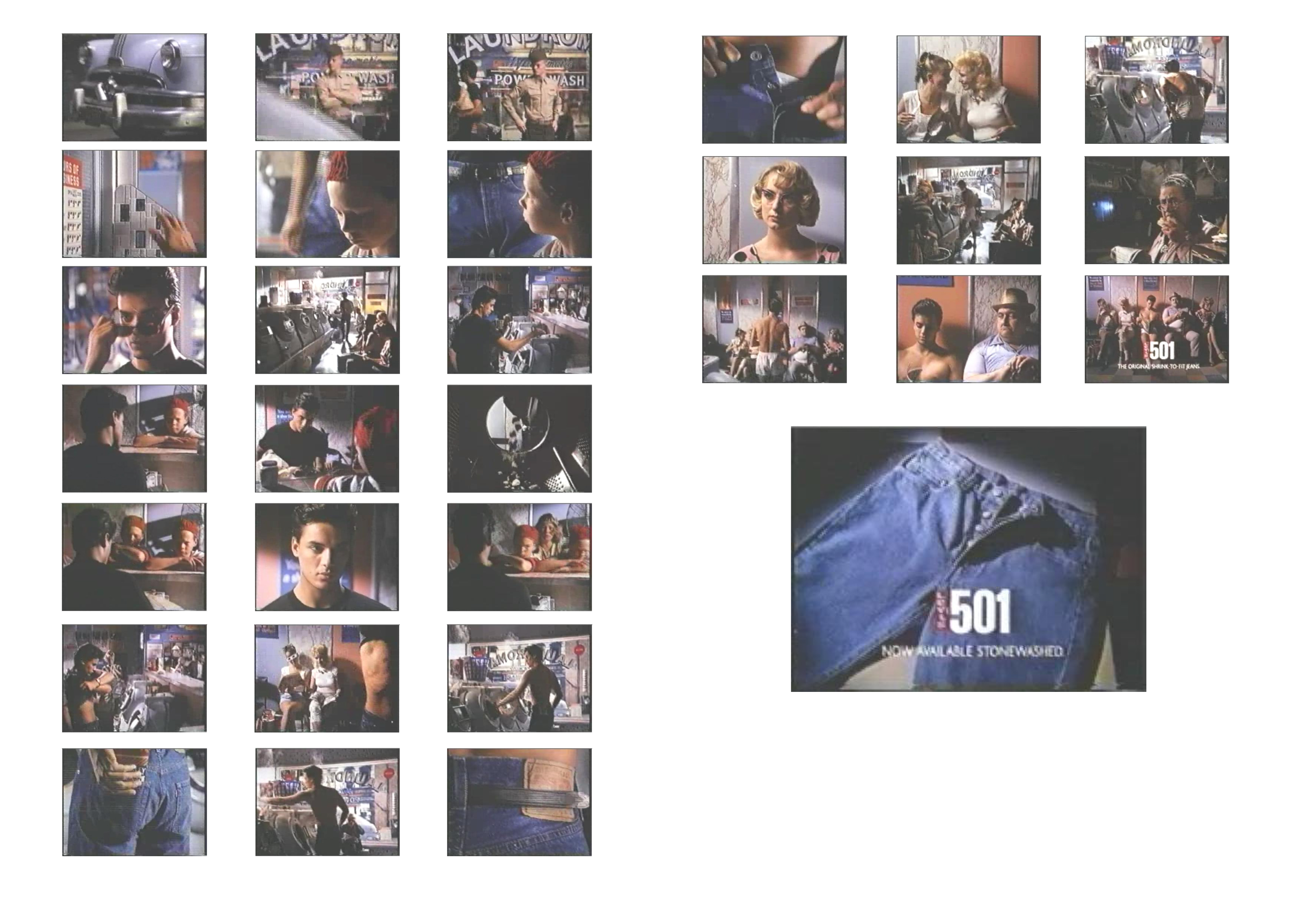
The opening bars of Marvin Gaye’s hit I Heard It Through The Grapevine are among the most evocative in television advertising history. For a whole generation, at least, those first few moody seconds only bring one image to mind – that of model Nick Kamen walking into a launderette. The ad might not have been set in the eighties (more likely a mythical fifties), but for many those first few seconds can evoke memories of an entire decade. But Nick Kamen (who only got the part on condition he lost weight) wasn’t the first to get his kit off in a launderette. An early Hamlet ad showed a bowler-hatted, be-suited gent undressing in front of a group of women and sticking his clothes, and even his hat, in a washing machine. Sadly, no one remembers the actor’s name. And, as far as we know, he never had a hit single written for him by Madonna…
Kamen’s “Lauderette” was shown for the first time on Boxing Day 1985. Thought up by John Hegarty and Barbara Noakes of BBH, the ad campaign was designed to try and save Levi’s flagging fortunes; the company was under attack from all sorts of other fashionable brands. In short, Levi’s (which had been going since the 1850s) were becoming the sort of jeans worn by people’s dads. And not even trendy dads – it was middle-aged “fuddy duddies” wearing “polyester Levi’s Action Slacks”. Research showed that the intended target audience for Levi’s 501 (15 to 19 year olds) saw the United States of the fifties and sixties as cool time and place in history: James Dean, Elvis Presley and Sam Cooke all belonged to this mythical, wondrous world. Unless the ad agencies came up with something new, the alternative was going with the American campaign for 501, which was all about how well the jeans fitted in the United States of Ronald Reagan. The image seemed the opposite of MTV and European chic.
So, director Roger Lyons was given the go-ahead to film an ad that showed drop dead gorgeous model Nick Kamen stripping down to his boxer shorts, while flustered women and bemused elders looked on, and then sitting and waiting while his jeans were in the wash. All this and Marvin Gaye thrown in too. (Except it wasn’t actually Marvin Gaye but a newly recorded “session” version of the song, though the original was later re-released off the back of the ad and entered the charts all over again…). “Grapevine” was the first of four Levi’s-related songs to all make the Top Ten, a feat that made advertisers realise that choosing the right music was of paramount importance because it really could help push a product on TV. They call it “Integrated Marketing”, and it meant a single in the chart and an ad on the box simultaneously, as well as the 501 logo alongside the artist’s name on the record sleeve in every record shop in Britain and USA.
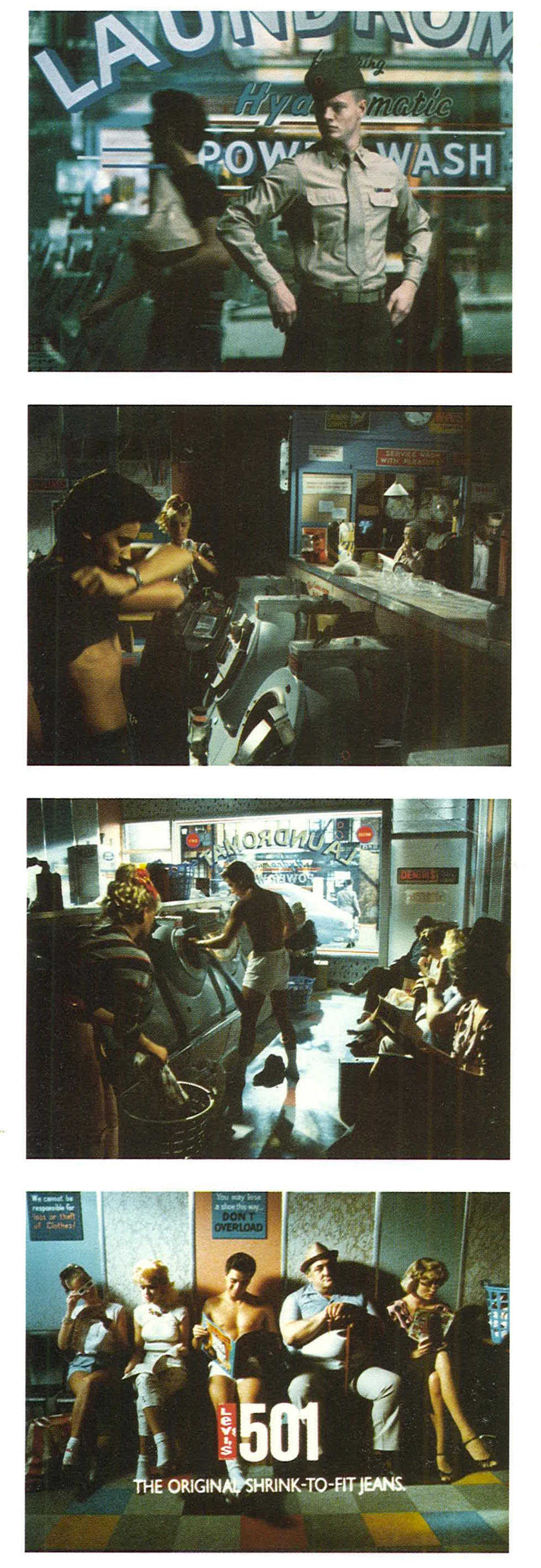
Kate Thornton, a famous English journalist, was a schoolgirl at the time and remembers the effect that Kamen’s striptease had on her: “I remember that the ad was running at a cinema before a movie, and I hadn’t seen it on the tely at that point. So I went to the cinema just to see the ad…” she says. “The commercial made those jeans sexy at a time when Levi’s were struggling to make their product appealing to women of my age, and really that’s where the big spenders come from. Suddenly those jeans became a must-heve item! I only wanted them because Nick Kamen wore them and took them off…”
Thornton wasn’t the only teenager to feel that away. Consumers wrote in to Levi’s in their thousands asking for picture of Kamen. Meanwhile, sales of 501 shot up by an incredible 800% in the wake of the ad, which eventually had to be taken off the air because the Company couldn’t produce enough jeans to meet the new demand… By 1987 sales of Levi’s jeans were reported to be 20 times what they had been just three years earlier. The commercial also boosted sales of boxer shorts to a record high, though the ad agency only put Kamen in a pair of boxers because they weren’t allowed to show their hero in a pair of jockeys. And it wasn’t just teenage girl buying the jeans: boys were impressed by what Kamen could do. “The ad said: wear Levi’s jeans and you’ll be a rebel without a cause!” says psychologist Dr David Lewis. “You’ll be able to alienate older people (who young people despite anyway) and you can be cool…”
Inevitably, Nick Kamen was suddenly flavour of the month. Madonna wrote a song for him called “Each Time You Break My Heart” which made it into Top Ten. Kamen was soon a fully-fledged pop star, but his new career was short lived. Subsequent singles failed and Kamen moved to Los Angeles where he was to live for a time with British television presenter Amanda de Cadenet. “There wasn’t life for Nick Kamen after Levi’s because he broke the rule…he talked!” says Thornton. “We just liked looking at him. It was as simple as that. He was a model and he just had these smouldering beautiful looks… but fundamentally he was to be looked at and lusted over, and never to be taken seriously…”. Nick Kamen turned a new Levi’s ad into a much-hyped media event and ended up eventually being replaced in 1999 by a fluffy yellow pupped called Flat Eric…
(Mark Robinson, The Sunday Times)
Advertising Agency: Bartle Bogle Hegarty
Creative: John Hegarty, Greg Mills, Barbara Nokes
Director: Roger Lyons
Production: Mike Dufficy & Partners
Director of Photography: Richard Greatrex
Editor: Ian Weil
Music: Karl Jenkins, Mike Ratledge
Year: 1985
Microsoft Xbox/Halo3 – The Believe Campaign
Posted: November 13, 2012 Filed under: Best Use of Television, Cannes Lions, Case History, Copywriting, Digital, Event, Installation, Promotion, TV/Film, USA, Viral | Tags: advertising, Believe, Cannes Lions, Case History, Digital, Diorama, enemy weapon, gravesite, halo 3, installation, John Patroulis, Master Chief, McCann erickson, museum of humanity, T.A.G. san francisco, Taylor Smith, the john 117 monument, TV/Film, Xbox Leave a comment
“A hero is more than a person, a hero is a belief. A belief that, against impossible odds, the world can be saved—and that the world is still worth saving. Heroes inspire that belief in us. They renew our faith and give us that most precious of all gifts—hope. The world needs heroes. That’s why, when a true hero arrives, the world will honor him.“— Xbox.com introduction of “Believe”.
In a bid to reach new audience for Halo franchise for the release of Halo 3, a futuristic human versus aliens science fiction videogame, McCann and T.A.G. in San Francisco came up with this complex integrated campaign that utilizes both film and online advertising. They created a large diorama that documented a historic battle, which was filmed for tv and cinema spots. An interactive flythrough tour of the diorama was then also placed online. It was all intended to present Halo as a story with real emotion. “Our objective was to use every medium we could to communicate the simple idea that Master Chief (the hero of the game) is a true hero to all humankind” says John Patroulis, creative Director at T.A.G.


“The goal was to make this the biggest title lunch in Xbox history” Patroulis continues. “And we went about it by executing a global campaign that used absolutely no game footage, starred either plastic figures or old men in its films, used classic music as its soundtrack, and almost never showed Master Chief”
“The ability to really move people is limited in a 30- or even 60-second TV spot, but the chance of something that’s more interactive or longer format…that’s the same feeling you get as after you’ve gone through a story or an experience and that’s what moves people... – Taylor Smith, Global Communications Director, Xbox

Halo 3 became the fastest pre-selling game in history and made 170 million in sales on its first day, the biggest launch in entertainment history.
Halo 3 – Believe
Halo3 Short Film 1 – Enemy Weapon
Halo3 Short Film 2 – Museum
Halo3 Short Film 3 – Hunted
Halo3 Short Film 4 – Gravesite
Halo3 Documentary – The John 117 Monument

 This is not ADVERTISING